
Why Investing in Smart Cities is the Future of Real Estate in Nigeria
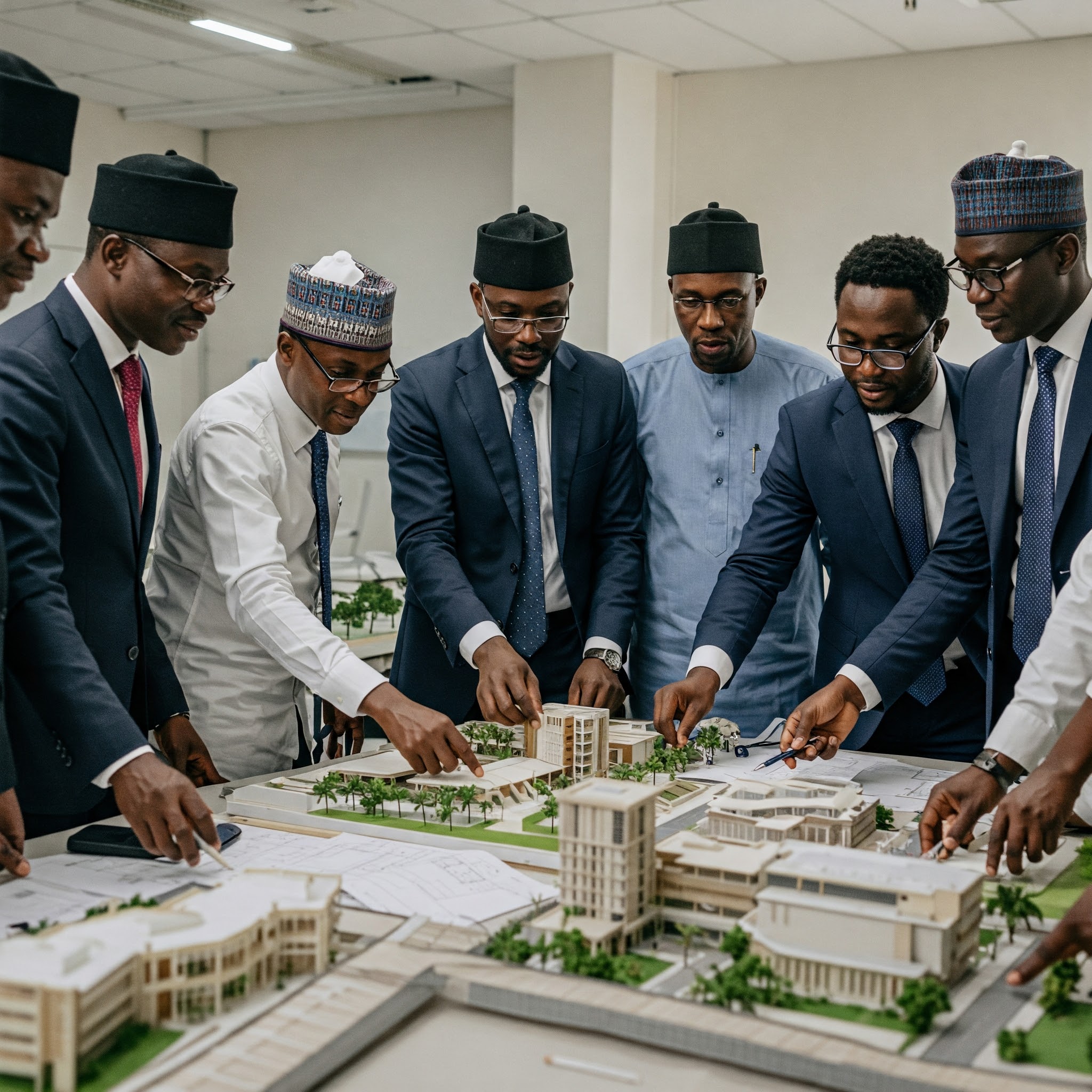
As Nigeria’s urban population continues its explosive growth—projected to add over 200 million city dwellers by 2050—the question for real estate investors is not whether to invest in urban development, but which urban developments will deliver sustainable returns. Smart cities, and particularly initiatives like MetroSmart City, are emerging as the answer to this question, representing not just a trend but the future trajectory of real estate investment in Nigeria. This article examines why forward-thinking investors are increasingly allocating portfolio resources to smart city developments. Premium Valuation and Superior ROI Smart city investments consistently outperform traditional real estate developments in Nigeria for several compelling reasons: Technology premium: Properties in smart cities like MetroSmart command 15-20% higher prices than comparable properties in conventional developments Operating cost efficiency: Smart infrastructure reduces building operating costs by up to 30%, enhancing net operating income Accelerated appreciation: Early data suggests property values in technology-enabled developments appreciate 1.5x faster than the broader Nigerian market These factors combine to create a significantly enhanced return profile that justifies the initial investment premium, particularly in Nigeria’s sometimes volatile real estate market. Resilience Against Market Fluctuations Nigeria’s real estate market has historically experienced significant fluctuations tied to oil prices and currency stability. Smart city investments offer greater resilience: Diversified tenant base attracted by technology infrastructure, often including multinational companies less affected by local economic cycles Lower vacancy rates due to superior amenities and living experience Reduced maintenance deterioration through predictive systems, preserving capital value For Nigerian investors seeking to hedge against market volatility, these stabilizing characteristics make smart city investments particularly attractive in portfolio construction. Alignment with Nigeria’s Development Trajectory Investing in smart cities represents alignment with both policy directives and demographic trends in Nigeria: The Nigerian Smart City Initiative launched by the Federal Government prioritizes technology-enabled urban development Nigeria’s growing tech-savvy middle class increasingly demands digital amenities as standard features Corporate tenants increasingly require smart infrastructure to support their operations Environmental sustainability requirements increasingly favor developments with smart resource management By investing in MetroSmart City and similar developments, investors position themselves ahead of these converging trends rather than scrambling to adapt to them later. Solving Unique Nigerian Urban Challenges Smart cities are uniquely positioned to address Nigeria’s specific urban challenges: Energy reliability: Through smart grids and renewable integration Security concerns: Via integrated monitoring and response systems Transportation efficiency: Through traffic management and multi-modal transportation options Environmental sustainability: By optimizing resource use and reducing waste By addressing these pain points, smart city developments like MetroSmart create value that transcends the physical real estate, making them attractive to a broader market of potential buyers and tenants. Access to Alternative Funding Sources Smart city investments increasingly attract specialized funding streams unavailable to conventional developments: Green bonds and sustainability-linked financing Technology-focused venture capital interested in urban innovation International development funding targeting sustainable urbanization Corporate partnerships seeking smart city testing environments These funding advantages can significantly enhance investor returns by reducing capital costs and creating additional monetization opportunities beyond traditional real estate revenue streams. Conclusion For Nigerian real estate investors looking beyond short-term gains to sustainable long-term returns, smart city investments represent not just an opportunity but an imperative. MetroSmart City exemplifies the convergence of technology, sustainability, and quality urban design that will define Nigeria’s most valuable real estate assets in the coming decades. While traditional real estate will always have its place, the exceptional return profile, market resilience, and alignment with Nigeria’s development trajectory make smart city investments the clear frontier for forward-thinking portfolio allocation. As Nigeria urbanizes at an unprecedented rate, those who recognize and act on this shift will find themselves not just participating in the future of real estate, but helping to create it.
What Makes a City Smart? Key Features of the Future-Ready MetroSmart City
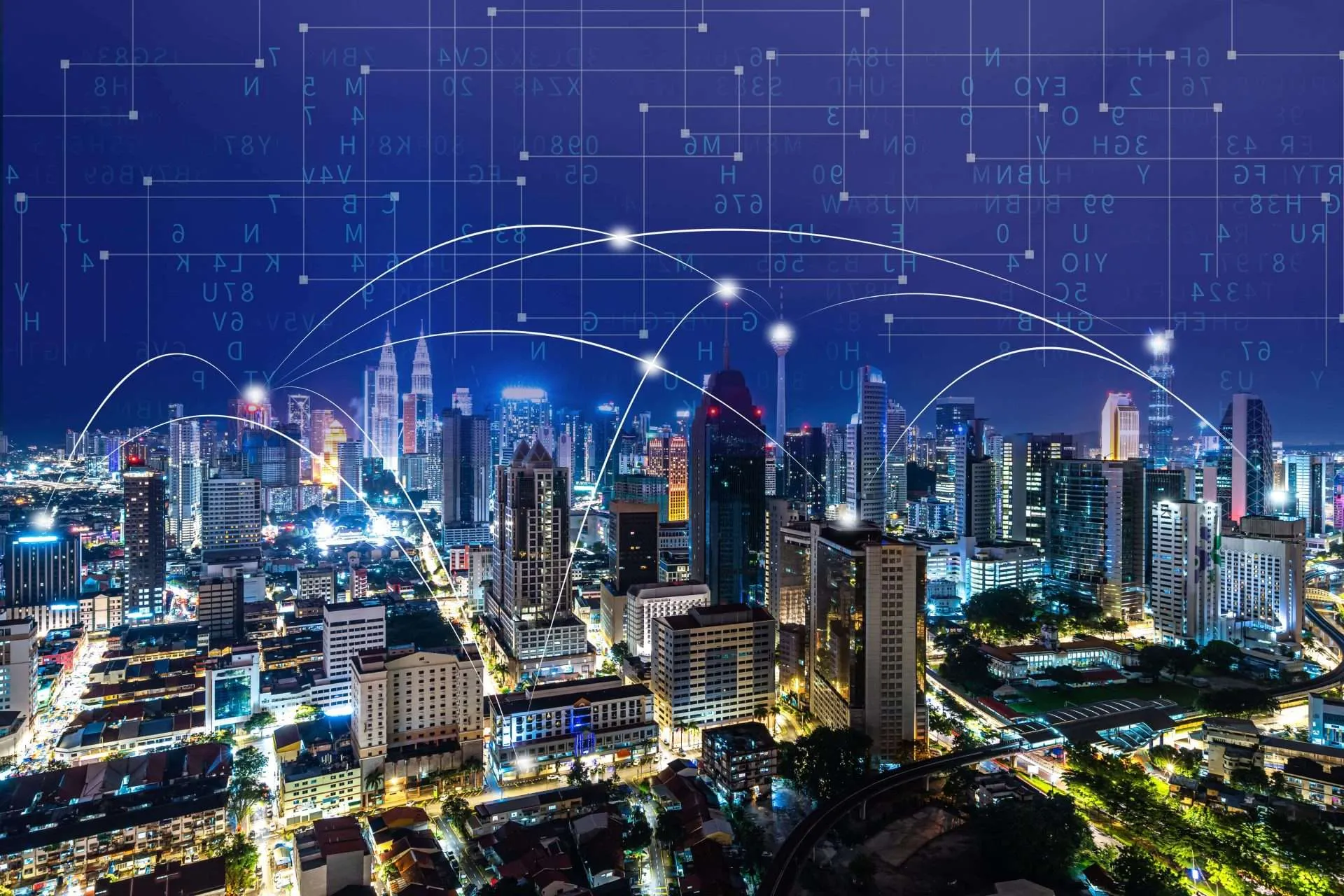
Imagine a city where everything works seamlessly — from traffic lights that respond to real-time congestion to homes that adjust lighting and temperature based on your preferences. That’s the promise of a smart city. MetroSmart City is redefining urban development in Nigeria, with technology at the core of its master plan. But what exactly makes a city “smart”? 🔑 Key Features of a Smart City: Integrated Technology: IoT-powered infrastructure connects utilities, security, and services for real-time management. Green & Sustainable Design: Solar-powered streetlights, water recycling systems, and energy-efficient buildings. Smart Mobility: EV charging stations, traffic-monitoring systems, and smart public transportation hubs. Digital Services: High-speed internet, smart homes, and app-based community services. MetroSmart City is designed to empower residents with convenience, security, and sustainability — all in one community. In Nigeria, this isn’t just innovation — it’s a revolution in how we live. 📍 Explore MetroSmart City today and see the future in real time. In the rapidly evolving urban landscape of Nigeria, the concept of smart cities has moved from futuristic fantasy to present-day reality. MetroSmart City stands at the forefront of this urban revolution, bringing world-class intelligent infrastructure to Nigeria’s growing metropolitan areas. But what exactly transforms a traditional urban development into a truly “smart” city? Let’s explore the defining features that make MetroSmart City a benchmark for future-ready urban environments in Nigeria. Integrated IoT Infrastructure The foundation of any smart city lies in its Internet of Things (IoT) ecosystem. At MetroSmart City, interconnected sensors and devices create a digital nervous system that monitors everything from traffic flow to energy consumption in real-time. This intelligent network enables: Predictive maintenance of public infrastructure before problems arise Adaptive traffic management that reduces congestion by up to 30% Environmental monitoring systems that track air quality, noise levels, and other factors affecting citizen wellbeing Unlike conventional developments in Nigeria that often add technology as an afterthought, MetroSmart City builds intelligence into its very foundation, creating seamless integration across all urban systems. Sustainable Energy Solutions Nigeria faces significant energy challenges, with power supply inconsistency affecting both residential comfort and business productivity. MetroSmart City addresses this through: Smart grid technology that optimizes electricity distribution Renewable energy integration with solar panels on buildings and public spaces Automated energy management systems that reduce consumption during peak hours These technologies not only ensure reliable power but also align with Nigeria’s commitments to reducing carbon emissions and building climate resilience. Data-Driven Urban Management Smart cities thrive on data. MetroSmart City employs advanced analytics to: Improve municipal service delivery based on usage patterns Enhance public safety through predictive policing models Optimize resource allocation for maximum efficiency With Nigeria’s urban population expected to double by 2050, this data-informed approach to city management will be crucial for sustainable growth. Citizen-Centric Design Perhaps most importantly, MetroSmart City places residents at the center of its intelligent design. Through: Mobile applications that allow citizens to access services and report issues instantly Digital participation platforms that involve residents in decision-making Customized urban experiences that adapt to individual preferences The result is not just a technologically advanced city, but one that genuinely improves quality of life for its Nigerian residents. Conclusion What truly makes a city “smart” goes beyond mere technological implementation. MetroSmart City exemplifies this holistic approach by creating an integrated ecosystem where technology, sustainability, and human experience converge to create Nigeria’s most future-ready urban environment. As Nigeria continues its rapid urbanization, MetroSmart City offers a glimpse into how intelligent planning can address the challenges of tomorrow while enhancing the quality of urban life today.
The Role of Technology in Modern Real Estate: Why MetroSmart City Stands Out
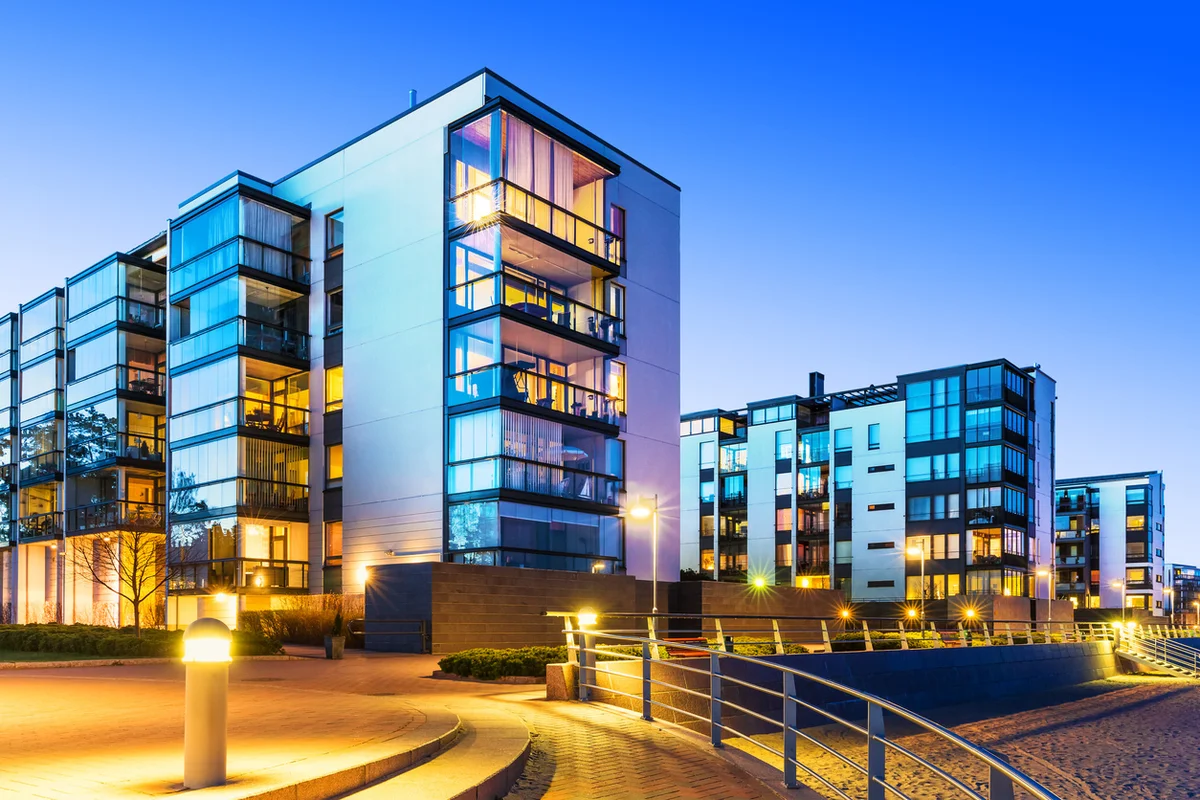
The Nigerian real estate landscape is undergoing a profound transformation as technology becomes not just an amenity but a fundamental component of property development. At the center of this revolution stands MetroSmart City, Nigeria’s premier technology-integrated urban development. This article explores how technological innovation is reshaping real estate expectations and why MetroSmart City has emerged as the gold standard for modern living in Nigeria. Smart Home Systems: Beyond Basic Automation While basic home automation has become increasingly common in high-end Nigerian properties, MetroSmart City elevates this concept to new heights: Integrated ecosystems rather than disconnected smart devices AI-powered home management that learns resident preferences Voice-activated controls throughout residential units Smartphone governance of all home systems, from security to climate control These features address specific Nigerian challenges, such as the ability to remotely monitor and manage energy consumption during power fluctuations or control security systems during frequent travel. Building Management Innovations Technology at MetroSmart City extends beyond individual units to transform how entire buildings function: Predictive maintenance systems that address issues before they affect residents Contactless entry solutions enhancing both convenience and security Automated waste management improving sanitation and sustainability Smart parking allocation reducing a common friction point in Nigerian urban living For property investors, these technological advantages translate to lower maintenance costs, higher tenant satisfaction, and premium rental rates compared to conventional properties across Lagos, Abuja, and other Nigerian urban centers. Digital Infrastructure as a Core Value Proposition While many Nigerian developments treat internet connectivity as an afterthought, MetroSmart City recognizes digital infrastructure as essential utility infrastructure: Fiber-optic backbones throughout the development ensuring consistent high-speed connectivity 5G-ready design preparing residents for next-generation communication Redundant systems ensuring connectivity even during infrastructure challenges Edge computing capabilities reducing latency for critical applications With Nigeria’s digital economy growing at an unprecedented rate and remote work becoming normalized, this infrastructure represents not just convenience but essential support for modern professional life. Data-Driven Property Management Technology enables MetroSmart City to pioneer data-driven property management approaches that benefit both residents and investors: Real-time occupancy and usage analytics Predictive modeling for maintenance requirements Performance benchmarking across similar properties Transparent reporting on utility consumption and costs This approach addresses a significant pain point in the Nigerian real estate market, where property management has traditionally lacked transparency and efficiency. Conclusion The integration of technology in real estate is no longer optional in Nigeria’s competitive property market. MetroSmart City stands out by approaching technology not as an add-on feature but as the fundamental design principle around which all aspects of the development revolve. For investors, homeowners, and tenants alike, this commitment to technological excellence translates to tangible benefits in comfort, convenience, efficiency, and ultimately, property value. As Nigeria continues its rapid digital transformation, developments like MetroSmart City represent not just the future of real estate but its present reality for those seeking truly modern urban living.